Water: the simple detail almost everyone overlooks
If drinking water isn't really part of your day, you're far from alone. It's one of those habits so basic it feels like it can't matter much, and that's exactly why it keeps getting put off until tomorrow.
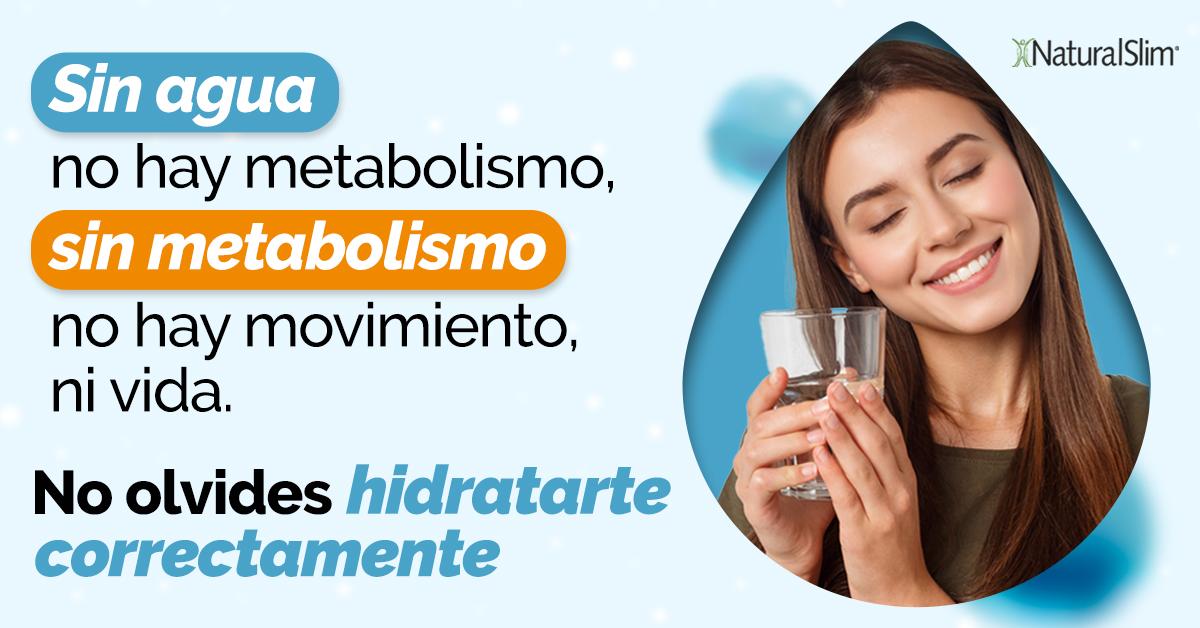
But water is no small detail. Your body is, to a large extent, water. Every function depends on having it available, the way an engine depends on its oil to keep from seizing up. This isn't about forcing yourself to drink out of duty, it's about understanding why your body keeps asking for it.
No, we don't all need "2 litres or 8 glasses"
You've surely heard it a thousand times: "drink 2 litres a day" or "8 glasses of water." It sounds tidy and easy to remember. The problem is that it's a generic rule for a body that isn't generic.
Picture a two-year-old, a fifteen-year-old, someone of forty and someone of eighty. Do you really think they all need exactly the same amount? Their weight, their activity and their day are completely different. It only makes sense that their water needs differ too.
As so often happens with health, what became one-size-fits-all should really be personal. It isn't your fault that the "everyone the same" rule never worked for you, you were simply missing a way to work it out for your body.
A simple way to estimate your amount
At NaturalSlim we use a practical formula so each person has a reference of their own, instead of a number invented for "everybody":
- If you weigh yourself in kilos: divide your weight by 7. The result is the rough number of glasses of about 250 ml to spread across your day.
- If you weigh yourself in pounds: divide your weight by 16. That number is the glasses of about 240 ml (8 oz) for your day.
It's not a magic figure or a rigid obligation, it's a sensible starting point. Someone of 70 kg, for instance, would land around ten glasses a day. Adjust it for heat, exercise and how you feel.
Which water to choose
The water you drink matters too. To stay well hydrated, the most sensible options are simple:
- Purified or filtered water.
- Spring water.
- Mineral water.
The idea is to make water your base drink. Everything else (coffees, herbal teas, the occasional treat) comes on top of it, not instead of it.
The drinks that seem to hydrate… but not so much
Here's the part that surprises almost everyone. There are drinks we associate with "refreshing ourselves" that, because of their excess sugar, don't help your hydration the way you'd expect:
- Soft drinks and sugary beverages.
- Fruit juices, both fresh and packaged.
- Milkshakes and sweetened flavoured milks.
- Alcohol.
Added sugar is the common thread. So when you're thirsty, the simplest and most effective choice is almost always water.
On the other hand, there are drinks you can happily keep within a mindful lifestyle: black coffee, unsweetened almond or coconut milk, matcha tea, herbal infusions, or water with a squeeze of unsweetened lemon. As Frank Suárez, the founder of NaturalSlim, used to say: "Get curious, read the labels, and you'll see…", sugar hides where you least expect it.
How to turn water into a real habit
Knowing the amount is the easy part. The hard part is consistency. These small tricks help drinking water stop feeling like an effort:
- Start the day with a glass of water, before the coffee.
- Always keep a bottle in sight, on your desk or in your bag.
- Spread your water across the day rather than drinking a lot at once.
- If plain water feels dull, add a few slices of lemon or cucumber.
Water within a bigger picture
Staying well hydrated is one of the everyday supports for your body to work normally, but it doesn't act alone. It's part of a whole: how you eat, how you rest, and the minerals your body needs each day.
Magnesium, for example, is one of those minerals many people don't get in sufficient amounts. Magnesium contributes to the normal functioning of the nervous system, to normal muscle function, to electrolyte balance and to the reduction of tiredness and fatigue. That's why, alongside water, at NaturalSlim we pay attention to a good magnesium intake, such as MagicMag® magnesium citrate, easy to take dissolved in water.
If you'd like to organise all these pieces (nutrition, hydration, minerals) within a method built around your metabolism, our team of Certified Metabolism Consultants at NaturalSlim Europe is here for you. The first step costs nothing: start by understanding your body. Discover the NaturalSlim Personal Program.

Share:
Type A foods: the ones that help you slim down on the 3x1® Diet
The breakfast that actually keeps you full (and why many "healthy" ones don't)